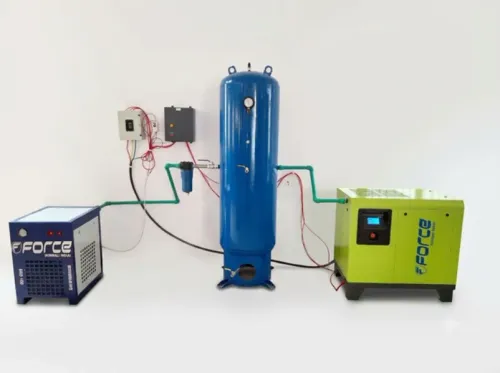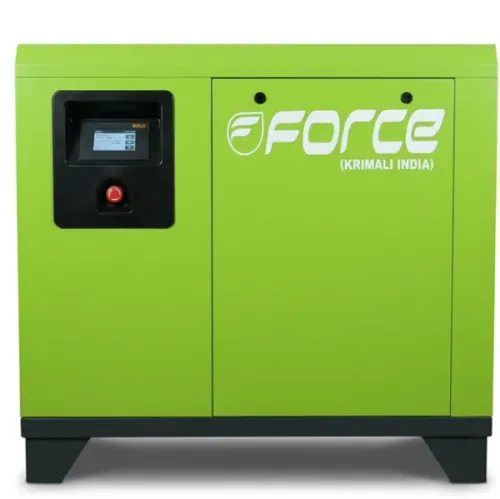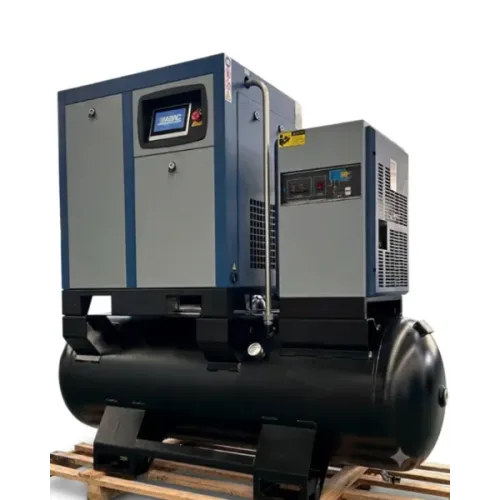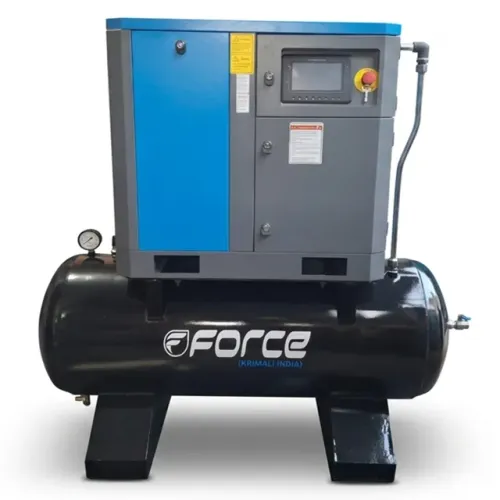

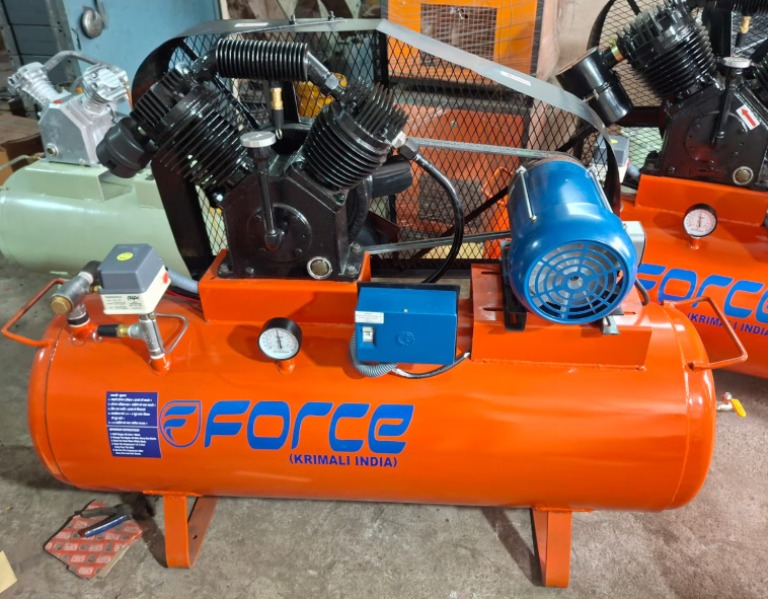
Compressed air powers countless industrial operations, from manufacturing and automotive workshops to packaging plants and construction projects. Among the various technologies available, the Reciprocating Air Compressor remains one of the most widely used solutions because of its reliability, simple design, and ability to deliver compressed air efficiently for a wide range of applications.
Unlike continuous rotary systems, reciprocating compressors use a piston moving inside a cylinder to compress air. As the piston moves downward, atmospheric air enters the cylinder through an intake valve. When the piston moves upward, the trapped air is compressed and delivered to the storage tank or connected equipment. This repeated cycle produces compressed air suitable for many industrial tasks.
These compressors are commonly preferred for operations that require intermittent compressed air rather than continuous heavy-duty usage. They are also available in single-stage and two-stage configurations, allowing businesses to select equipment based on their pressure requirements.
Some common applications include:
- Automobile service stations
- Engineering workshops
- Small and medium manufacturing units
- Woodworking industries
- Metal fabrication facilities
- Painting and finishing operations
- Maintenance departments
Businesses selecting a reciprocating air compressor should evaluate several factors before making a decision. Air demand, measured in CFM (Cubic Feet per Minute), is one of the most important considerations. Choosing a compressor with insufficient airflow can reduce productivity, while selecting an oversized system may increase operating costs unnecessarily.
Pressure requirements also play a significant role. Different industrial machines require different PSI ratings, making it important to understand the needs of every connected application.
Other factors worth evaluating include:
- Tank capacity
- Power consumption
- Cooling system
- Maintenance requirements
- Noise levels
- Available installation space
Routine maintenance helps improve the life of a reciprocating compressor. Regular inspection of air filters, lubricating oil, valves, belts, and cooling components helps maintain consistent performance while reducing the chances of unexpected downtime.
Industrial businesses in Delhi often rely on reciprocating compressors for workshops and production facilities where dependable compressed air is required without the need for continuous operation. Selecting equipment that matches actual production requirements helps improve efficiency while controlling long-term operating costs.
Companies such as M K Industries Force assist industrial buyers by offering compressors suited to different manufacturing environments. Evaluating operating conditions, production schedules, and future expansion plans before purchasing helps businesses invest in equipment that continues delivering reliable performance for years.
Understanding how reciprocating air compressors function enables manufacturers to make informed purchasing decisions rather than simply choosing equipment based on price. A properly selected compressor supports smoother production, better equipment performance, and lower maintenance costs throughout its service life.