

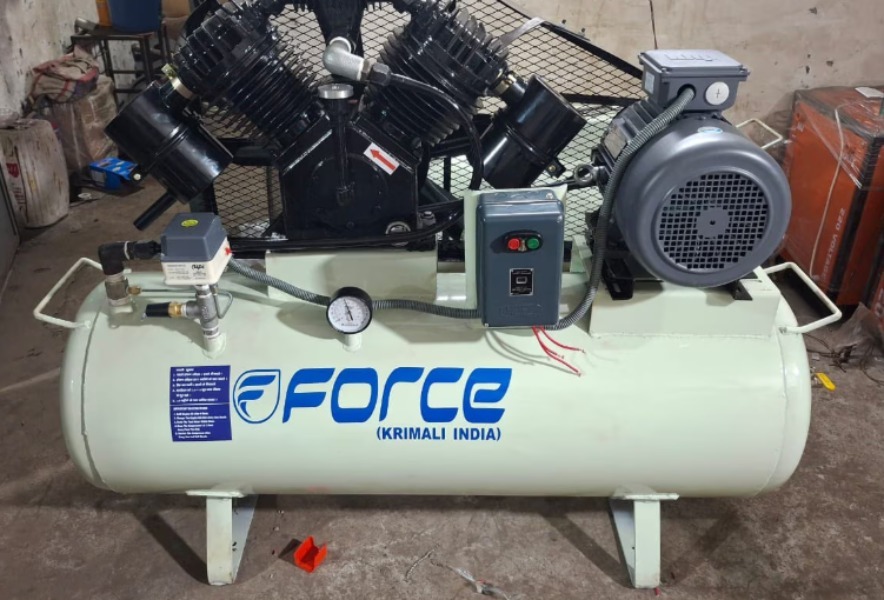
Certain industrial processes require compressed air at pressures higher than those produced by a standard compressor. Instead of replacing the entire compressed air system, many manufacturers choose a Booster Compressor to increase pressure only where it is needed. This approach offers flexibility while supporting specialised production requirements.
A booster compressor receives compressed air from an existing compressor and further increases its pressure for specific applications. It is commonly used in industries where only selected machines or production stages require high-pressure air.
Typical applications include:
- PET bottle manufacturing
- Pressure testing
- Industrial moulding
- Laser cutting support systems
- Specialised engineering processes
- Gas transfer applications
Before investing in a booster compressor, businesses should understand their operational requirements. The most important consideration is determining whether only part of the production process requires higher pressure. If so, a booster compressor may be more practical than upgrading the primary compressor.
Other important evaluation factors include:
- Existing compressor capacity
- Required outlet pressure
- Airflow demand
- Production cycle
- Energy consumption
- Available installation space
- Maintenance requirements
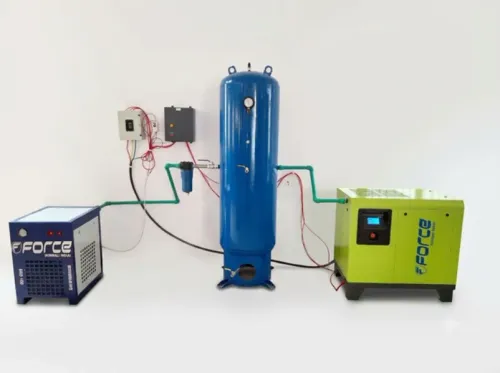
System integration is equally important. A booster compressor performs best when installed as part of a properly designed compressed air network that includes suitable air dryers, receiver tanks, filtration systems, and pressure controls.
Routine maintenance helps ensure reliable performance. Regular inspection of seals, valves, cooling systems, lubrication, and pressure controls can reduce wear while maintaining operational efficiency.
Manufacturers in Delhi continue adopting specialised production technologies that demand different pressure levels for different applications. Booster compressors allow businesses to meet these varying requirements without redesigning their complete compressed air infrastructure.
Industrial solution providers such as M K Industries Force help manufacturers assess production processes before recommending suitable booster compressor configurations. Matching equipment specifications with actual operational requirements improves efficiency while avoiding unnecessary capital expenditure.
Choosing the right booster compressor is ultimately about supporting production precision, improving operational flexibility, and ensuring that compressed air is delivered at the pressure required for each industrial application.